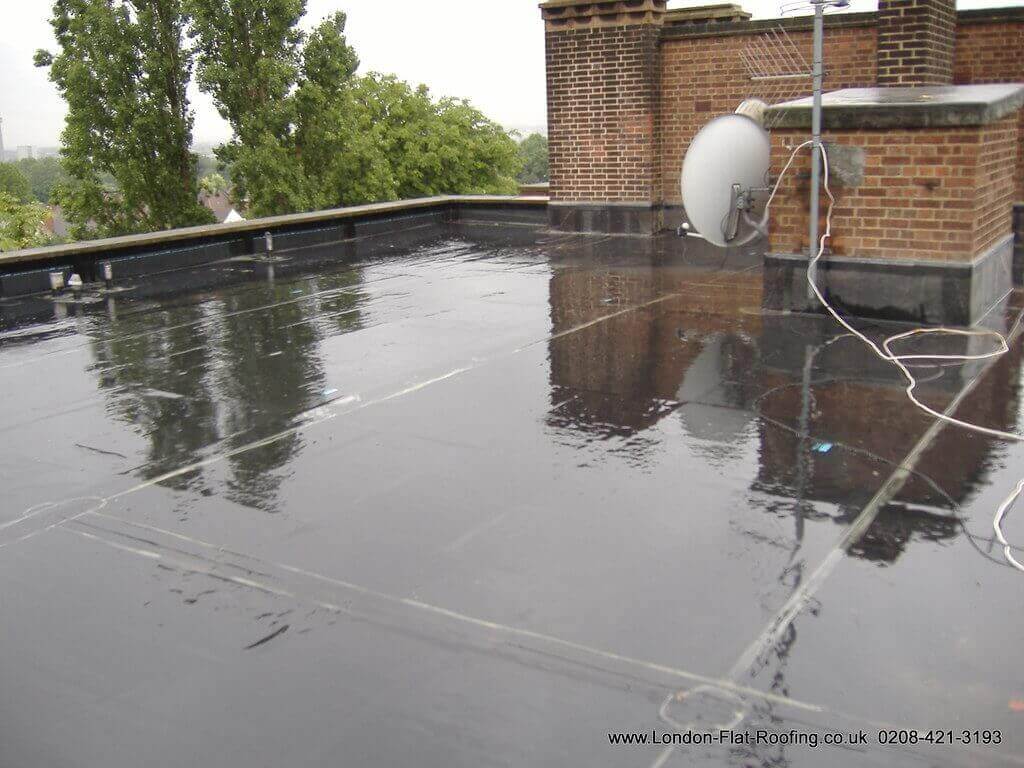
Rubber Roofing Products
A Long Lasting Material
What Is Rubber Roofing?
In some situations, this roofing material’s benefits surpass traditional options like asphalt or metal. It can be derived from three distinct rubber types: natural, synthetic, or recycled.
– Natural rubber is obtained from plant sap.
– Synthetic rubber is synthesized through chemical processes.
– Recycled rubber is sourced from discarded products, such as used tires.
Rubber roofing comes in various forms, including shingles, tiles, rolls, and panels. Its superior durability and water resistance make it a preferred option for long-lasting home protection.
The manufacturing process involves recycling old tires, which entails removing steel and nylon threads before grinding the hard rubber into smaller pieces. These pieces undergo separation by size in a granulating machine. Overall, this recycling procedure contributes to resource conservation and waste reduction, aligning with eco-friendly principles. Whether opting for sturdy shingles or lightweight rolls, recycling old tires ensures optimal utilization of roofing materials, ensuring durability and reliability.
The Benefits of Rubber Roofing
- RDurability: Rubber roofing is highly durable and can withstand accidents. Its resilience helps it maintain integrity over time, providing long-lasting protection for your property.
- RWeather Resistance: Rubber roofing is inherently weather-resistant, with excellent waterproofing properties that prevent water infiltration. This resistance to moisture makes it particularly suitable for Canada’s frequent rainfall or high humidity.
- RFast Installation: Trained professionals install rubber roofing relatively quickly compared to other roofing materials. Its flexibility allows for seamless application, reducing installation time and labour costs.
- RLow Maintenance: Once installed, rubber roofing requires minimal maintenance. It does not require frequent repairs or recoating, saving homeowners time and money on upkeep.
- REnergy Efficiency: Rubber roofing can help improve energy efficiency in buildings by providing insulation and reducing heat transfer. This can lead to lower energy bills by reducing the need for heating and cooling.
- REco-Friendly: Rubber roofing is often made from recycled materials, such as old tires, making it an environmentally friendly option. Additionally, its longevity reduces the need for frequent replacements, further reducing environmental impact.
Comparing Rubber Roofing to Other Roofing Types
In contrast, asphalt shingle roofs, derived from petroleum products, lack the eco-friendly appeal of rubber roofs. They are also less durable and require more maintenance. Moreover, rubber roofing provides superior moisture resistance compared to traditional options, making it the optimal choice for battling against moisture-related issues.
Cost Of Rubber Roofing
The ultimate expense of rubber roofing hinges largely on the specific material selected and its thickness. Additionally, installation intricacies, such as the use of adhesive or screws, can impact pricing. Nevertheless, investing in rubber roofing yields long-term benefits.
EPDM: $11 to $15 per square foot
PVC: $22 to $27 per square foot
TPO: $15 to $22 per square foot
Rubber Shingles: $16 to $22 per square foot
It’s crucial to note that while rubber roofing may initially seem pricier, its extended lifespan renders it a more economical choice over time. When comparing various roofing options, considering both initial expenses and expected longevity provides a comprehensive perspective on overall costs.